Long before today’s tourism industry boomed, the narrow crossing between Loch Linnhe and Loch Leven was a vital route through the west Highlands for locals, clans and traders heading north. Our hotel’s story is shaped by its setting, by movement, and by the history of Glencoe itself.
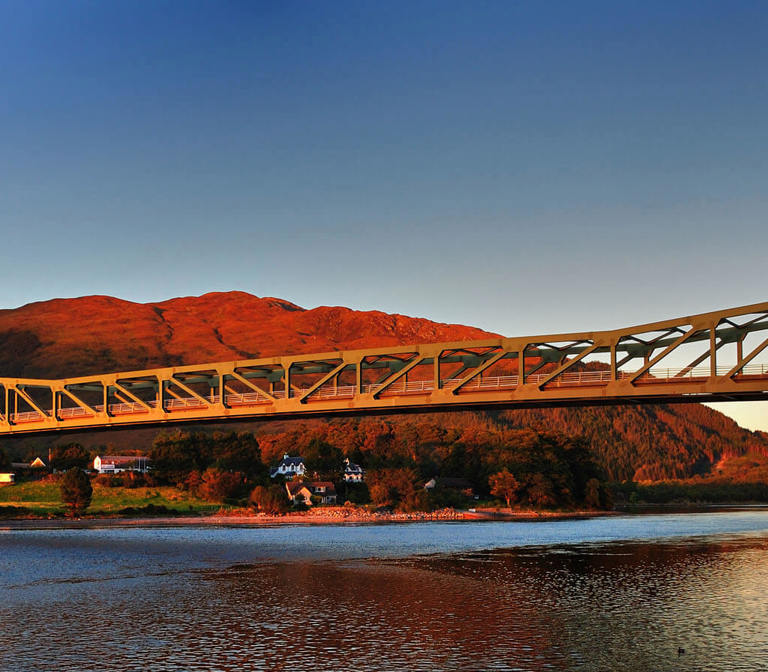
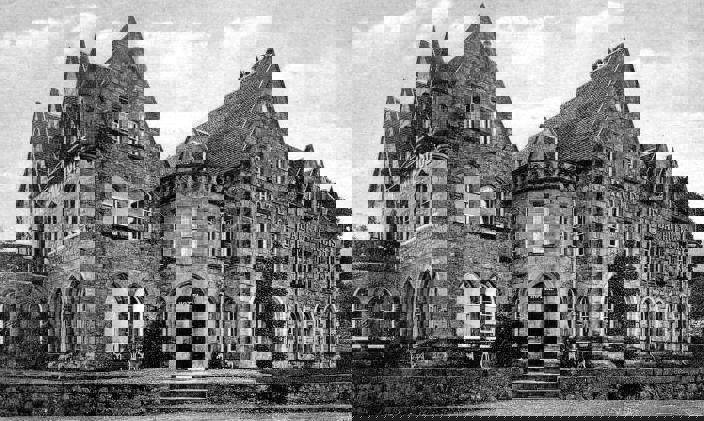
Ballachulish Hotel dates back to 1877, at a time where the Scottish Highlands were opening up to Victorian tourists. The hotel was designed by John Honeyman, a prominent Glaswegian architect, best-known for his Gothic style. During the design, a young Charles Rennie Mackintosh was Honeyman’s apprentice, later becoming one of Scotland’s best-loved designers. The hotel was initially built to serve travellers using the Ballachulish Ferry, which provided the primary crossing point over the loch. Its location on the lochside served as a destination for travellers to rest after Glencoe, before continuing their journey north. From 1906, the hotel operated the ferry, and cars would be rowed across the loch on planks until 1912, when the world’s first motorised turntable ferry arrived, named Glencoe. In 1975, the Ballachulish Bridge was opened, and the ferry was no longer needed.
The dark history of Glencoe
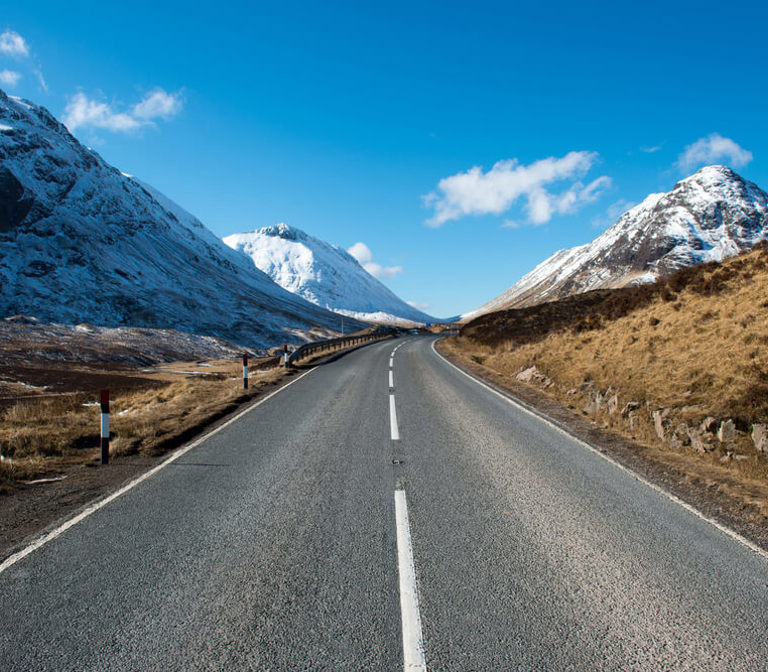
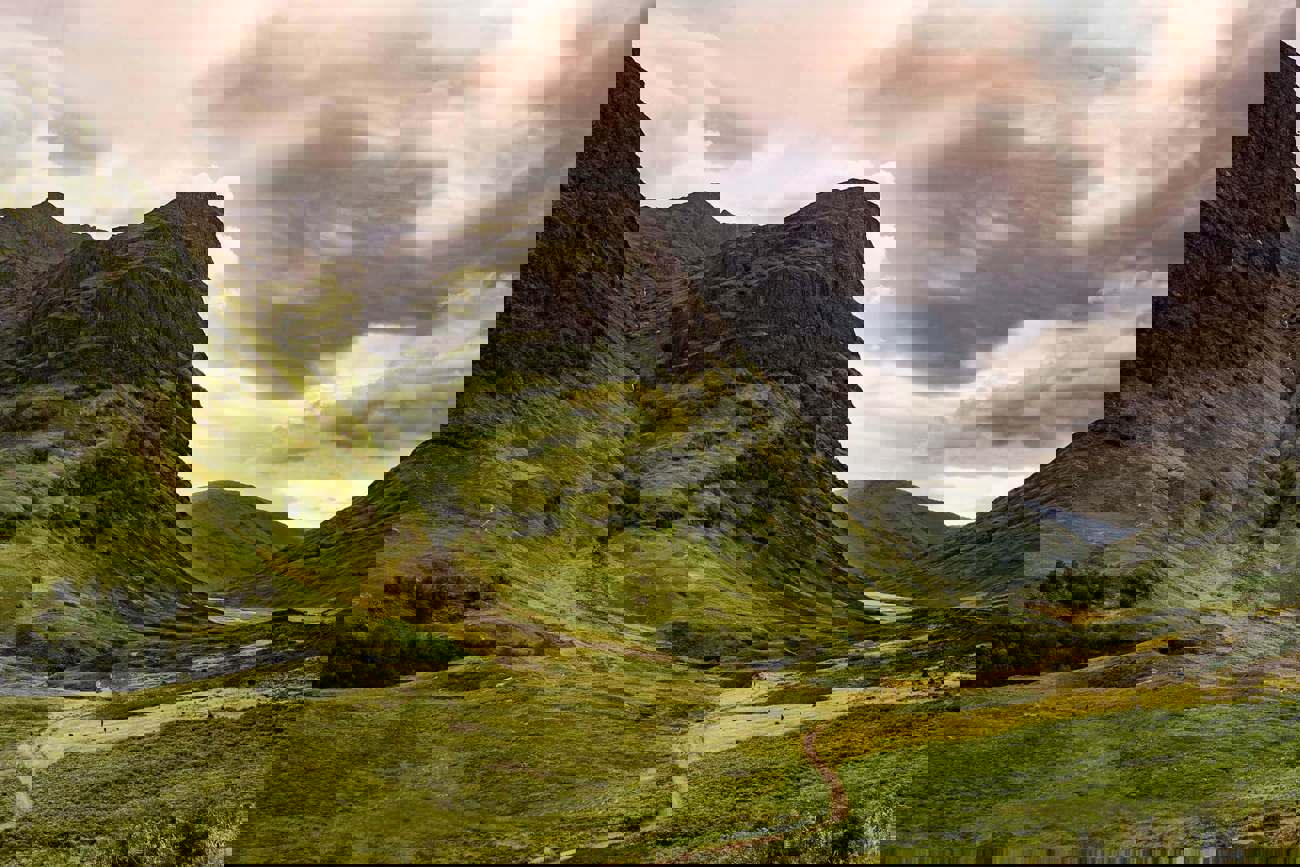
Glencoe’s dramatic landscape and beauty is inseparable from its dark past. Just a 2-minute walk away from Ballachulish Hotel, sits Ballachulish House. It was here that the orders for the infamous Glencoe Massacre in February 1692 were finalised and issued to the Clan Campbell. The government troops from the Clan Campbell were travelling through Glencoe, when the harsh Scottish winter took hold on the landscape. Members of the Clan MacDonald unknowingly welcomed Clan Campbell into their homes for the night, where they were brutally attacked and killed. Members of the Clan MacDonald who escaped their homes, later died from the effects of the weather – over 100 men, women and children died that night. The event shocked Scotland and remains one of the most shocking periods in Highland history. Today, memorials across the region ensure the story is remembered, offering visitors a deeper understanding of the land.
Places to visit
If you’re interested in finding out more about the history of Glencoe and Lochaber, we’ve added a few local visitor centres and museums to visit.
Glencoe National Nature Reserve
A 10-minute drive from Ballachulish Hotel, Glencoe National Nature Reserve and visitor centre offers an insight into the history of Glencoe, the Massacre, the Glencoe Mountain Rescue, and you can visit the reconstructed, 300-year-old turf and creel house. Owned and managed by the National Trust for Scotland.
West Highland Museum
Located in Fort William, about 30-minutes drive from Ballachulish Hotel, discover the history of Fort William and the west Highlands. The Museum has multiple collections, including The Fort, archaeology, military, Jacobite, Victoriana, and Highland life.
Glenfinnan Monument & Viaduct
About an hour’s drive from Ballachulish Hotel, the drive itself to Glenfinnan is definitely a must-do. Discover the story of Bonnie Prince Charlie and the 1745 Jacobite Rising, and the history of the iconic Glenfinnan Viaduct. The visitor centre, exhibition and cafe is owned and managed by the National Trust for Scotland.